The Wisconsin Department of Agriculture, Trade and Consumer Protection recently awarded a Specialty Crop Block Grant to Vernon Economic Development Association, a nonprofit organization in Southwest Wisconsin with 15 years of experience managing state and federal grants and a strong commitment to agricultural diversity.
The funding will be used to lead a statewide initiative to improve the resilience, uniformity, and market appeal of three Wisconsin heirloom vegetable varieties, increasing local seed availability, and strengthening specialty crop competitiveness through variety trials, targeted selection, and coordinated marketing. This work will provide improved seed strains, trial data, and outreach materials, all leading to more consumers and producers engaged with Wisconsin specialty crops.
“We are excited to work with a diverse group of Wisconsin-based partners to implement the project,” Susan Noble, Executive Director of Vernon Economic Development Association explains. “Outreach will include field days and distribution of outreach materials to chefs, growers, and consumers.”
Driftless Seed Supply, a regional seed company founded in 2022, will lead breeding activities and assist with coordination. Cultivating the Commons, a Wisconsin seed company founded in 2016 and focused on heirlooms and open-pollinated varieties will also support breeding activities.
SeedLinked, a participatory trialing platform with more than 800 Wisconsin users, will facilitate multi-location trials and evaluation data. The Culinary Breeding Network has a decade of organizing showcase events and marketing campaigns for specialty crops and will co-lead outreach and develop identity-preserved materials. Wisconsin Farmers Union will co-host field days and provide space for a Showcase event.
Chef partners, including Driftless Cafe, Sagra Food and Wine, Redeye Brewing, NCTC Culinary Program, and Fizzeology Foods, will use varieties in their dishes and products, distribute outreach materials, and contribute recipes. Fresh market farmers including Bearstone Acres and Cattail Organics will grow the varieties for trials and supply the chef partners.
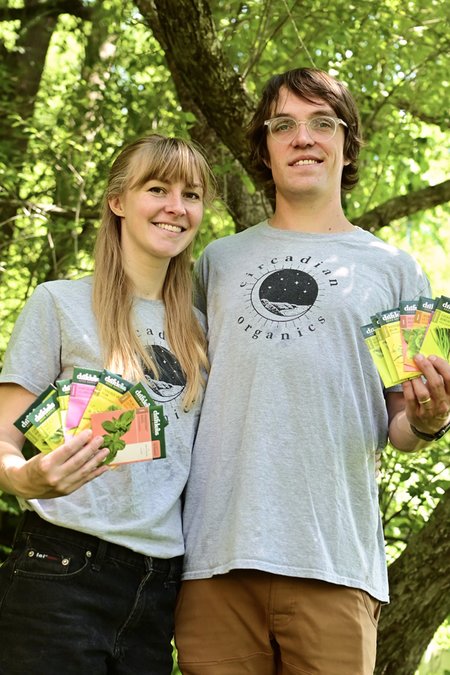
“Over the project’s two years, the team will use participatory methods to improve genetic uniformity, vigor, yield, and disease resistance,” noted Dylan Bruce, a co-owner of Driftless Seed Supply. “Multi-location trials through SeedLinked will guide selection of top-performing plants from diverse seed sources, with improved strains developed and retested. We’re looking forward to sharing our work by hosting field days and a public ‘Variety Showcase’ gala event in the fall of 2027.”
“By addressing market gaps, modernizing heirlooms, and connecting producers to consumers through storytelling, this project strengthens Wisconsin’s specialty crop industry,” Noble said. “It builds on proven models from other regions and promotes renewed public (interest) in Wisconsin-grown seed and produce.
“The result is a model for revitalizing heirlooms, increasing seed and food system resilience, and highlighting Wisconsin’s agricultural identity, from seed to plate.”
According to Bruce, historical changes to strengthen intellectual property rights have shifted plant breeding to the private sector, resulting in a dramatic decline in public breeding programs focused on regional adaptation and the needs of local producers.
Private-sector breeding is driven by economies of scale, favoring hybrids suited to major production regions like California over those adapted to the diverse conditions of the Midwest. As a result, heirloom vegetable varieties bred specifically for Wisconsin’s climate and production systems have been marginalized. In addition, the growing season is now longer, wetter, and hotter, with new pest and disease pressures.
This presents many challenges for Wisconsin’s specialty crop growers including inconsistent seed sources, a lack of available and affordable varieties, stricter consumer preferences, and gaps in the market.
Small seed companies face barriers to breeding due to limited capital and long timelines. While large companies can invest in multi-year efforts, smaller firms often cannot, despite their vital role in preserving and improving regionally adapted varieties.
Standardized hybrids have shaped expectations for uniformity, making it harder to market heirlooms with greater phenotypic diversity, despite superior flavor and culinary value. Also, despite a robust farm-to-table movement, the market for regionally produced, improved heirloom seed remains underdeveloped, limiting opportunities for local growers and seed companies.
Project deliverables include three improved cultivars, public trial data, marketing templates, educational materials, and a replicable model for other Wisconsin heirlooms. Improved varieties will be listed in seed catalogs, and stock seed will be distributed free of charge to Wisconsin seed growers in the final year to boost adoption.
“The project’s emphasis on participatory breeding, data collection, and on-farm trials demonstrates how research and outreach can be co-developed with farmers, offering long-term educational value to the state’s grower network,” Noble emphasized. “This work enriches the diversity of agriculture in rural Wisconsin. Sustaining the agricultural economy of our state ensures the viability of our rural communities who depend on this economy. We are grateful to Wisconsin Department of Agriculture, Trade and Consumer Protection for their support and partnership!”