PLATTEVILLE, March 18 — Turkey vultures are some of the largest birds that migrate north to Wisconsin.
Soaring from South America each year, turkey vultures (Cathartes aura) begin arriving in March and remain until October.
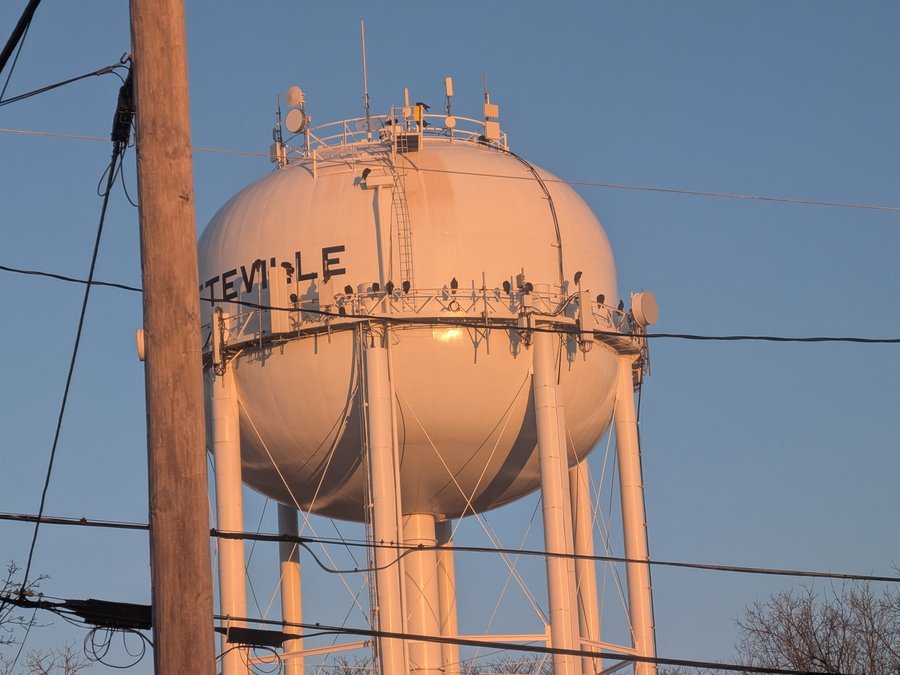
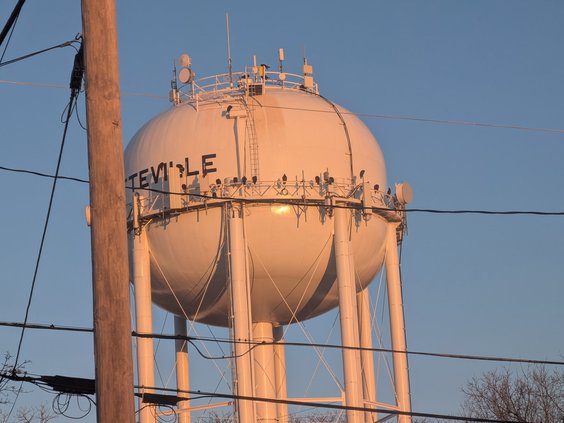
Nesting in caves and hollow logs only during breeding season, turkey vultures look for common areas that provide easy access to food sources. As they prefer habitats that are higher elevation, turkey vultures roost in open areas, forming large community groups atop man-made structures, such as their annual return to the water tower west of downtown Platteville.
People in the community can begin to look for the large scavenger birds just as quickly after seeing their first robin. The large birds are quite the sight for those who are used to spotting them.
“Turkey vultures are migratory and while some may herald spring with the first sighting of a red-winged blackbird, the return of turkey vultures to the region is another sure sign of the changing seasons,” said Jeffrey Huebschman, Professor of Biology at UW–Platteville.
Huebschman, who has been a professor at UWP since 2003, shares what he said could be the reason for the popular location.
“During spring and fall migration, turkey vultures often gather in large roosts and, in Midwestern towns, often the highest vantage point for roosting are water towers,” he said. “A cursory search of the internet reveals that many towns, like Platteville, have turkey vultures utilizing water towers as roost sites. This high vantage point is safe and provides convenient vantage points from which to disperse during the day for foraging. These roosts typically diminish in use during the breeding season, but while in use can be quite large. Communal roosts are sites of interactions among turkey vultures.”
Huebschman gives another plausible explanation that some might not have considered.
“The water towers may also provide thermal benefits for roosting turkey vultures,” he said. “Vultures frequently gather on the sunny side, seeking the reflective warmth of the sun from the metal tower. An additional hypothesis is that the towers, being full of water, may also be thermally stable environments that the vultures may benefit from roosting near.”
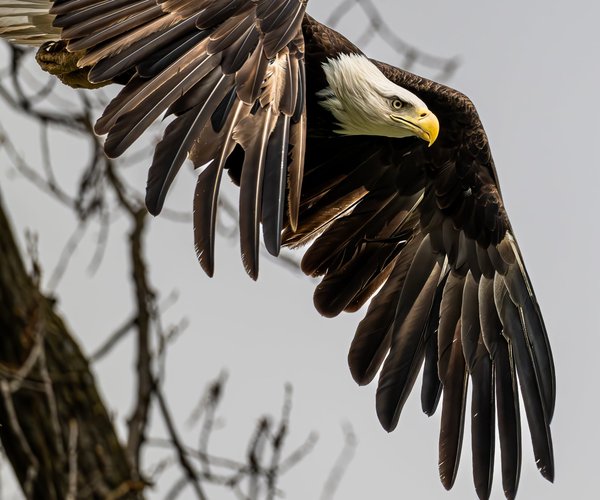
Watching a turkey vulture in flight can be a remarkable experience. With a wingspan ranging up to 6 feet on adults, the birds have the ability to glide effortlessly through the sky.
“Turkey vultures are thermal soarers,” said Huebschman. “Their flight capitalizes on rising warm air, which they ride ever upward and then, with altitude gained, can effortlessly soar to the next thermal.”
Turkey vultures play an important role in the state’s ecosystem, as they use their highly developed sense of smell to locate carcasses, which they can detect from eight miles away. Believe it or not, they prefer to eat fresh food, so they are eager to arrive at fresh roadkill as quickly as possible.
Their scavenging behavior cleans up the environment and helps to contribute to the overall health of the environment in which they thrive. They better the ecosystem by preventing the spread of diseases such as rabies and anthrax. Their strong stomach acids allow them to safely digest decaying flesh that would otherwise be harmful to other animals.
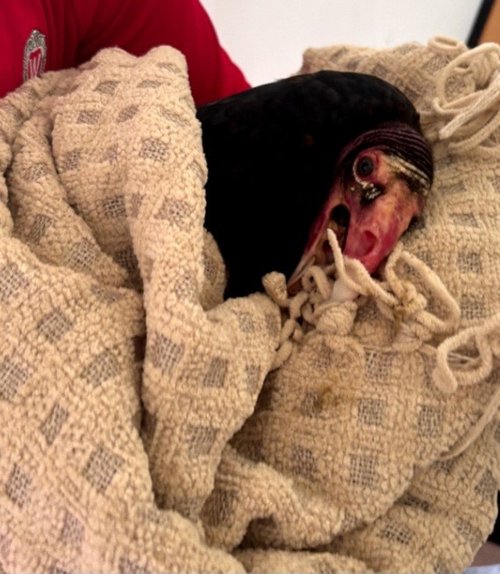
“While they were making calls, the bird made its escape. While it was in their presence, they got to experience the turkey vulture’s defense strategy — regurgitation. What a treat for a couple of science students.”
When the birds are frightened, their primary form of defense is to regurgitate the contents of their stomach, which is a partially digested foul-smelling substance. In combination with the acid in their stomachs, the projectile -contents can sting the face and eyes of a predator in close proximity to the birds.
The large birds are known for their distinctive appearance, featuring a bald red head and a dark brownish-black body, which absorbs heat easily. They regulate their body temperature by defecating and urinating on their legs. The method uses the evaporation of the water in the waste to cool the blood vessels in the unfeathered legs and feet.
As the community awaits the turkey vulture’s full community return, a few of the flock are already making their way back to the Platteville water tower. As much as they are admired locally, they are not nearly as celebrated as the buzzards of Hinckley, Ohio, where the town’s Buzzard Day celebration, held on March 15, encompasses the entire small community and, of course, the turkey vultures. It is said that the guests of honor assist in cleaning up leftover food trash from the festival area as a special treat.
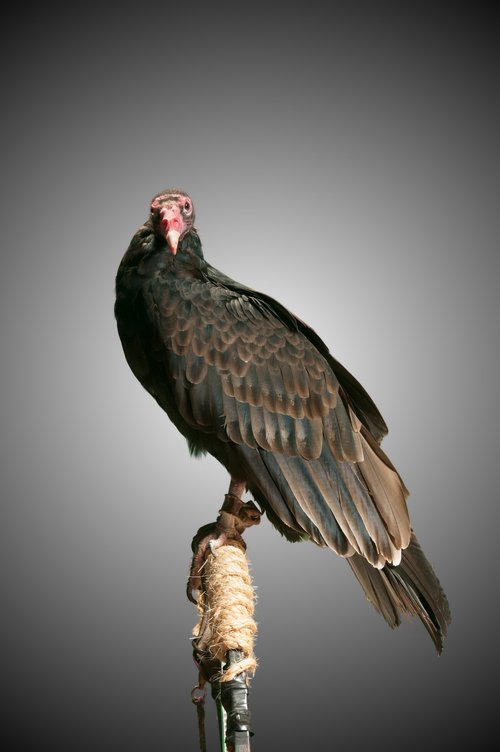
The oldest turkey vulture in captivity, Lord Richard, a resident of Lindsay Wildlife in California, will turn 52 this summer. The oldest living turkey vulture in the wild, banded and monitored, lived to be 16 years old.
Turkey vultures are federally protected under the Migratory Bird Treaty Act of 1918, which protects migratory birds and their habitats. Violations can result in significant fines and even imprisonment for repeat offenders.
The birds play an essential role in the state’s ecosystem, bringing balance to communities because of their scavenging eating habits. The entire city of Platteville, and surrounding communities, benefit from the site of these great birds. Together, the turkey vultures will, once again, sit together in their own community high atop the municipality, upon their water tower throne.