A compliment directed toward an avid birder, one who is able to attract flocks of many bird species, might be to suggest a yard is a mess.
Bird feeding folks may have charms of finches; descents of woodpeckers; and parties of jays coming to their feeders.
Different flocks are attracted to varied natural surroundings. Woodpeckers like upright dead or loose-barked snags on large and small hardwood trees.
Chickadees like shrubs close to platform feeders.
Cardinals seem to prefer white cedars; poorly trimmed and cracked corn spilled on bare ground.
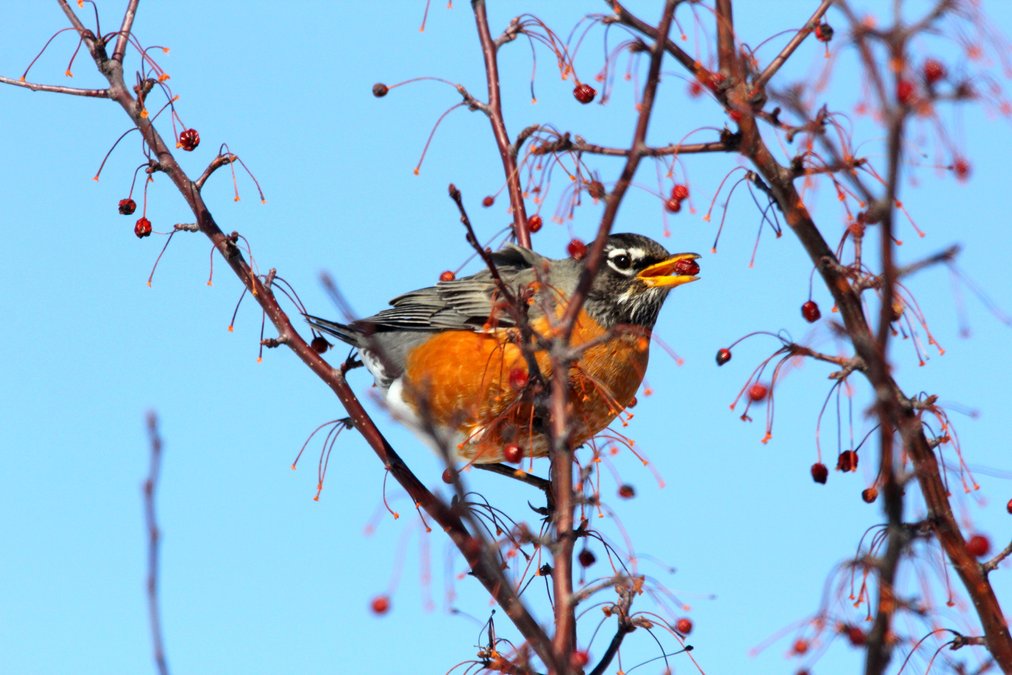
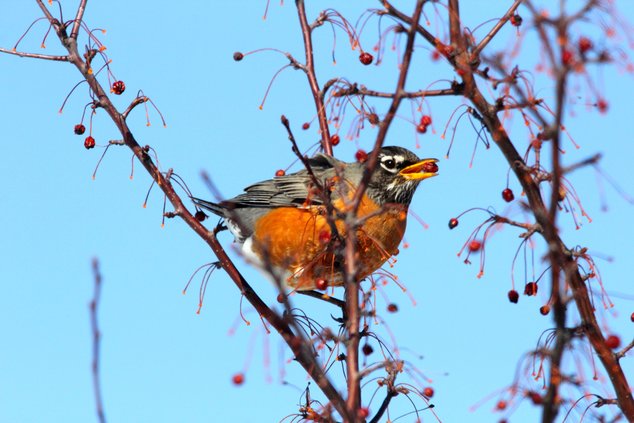
Robins and bluebirds want water, dried fruit, or suet cakes with dried mealworms. What we may call messy, poorly kept, but clean, and enough brush piles for a flock to take notice seem to be the ticket to success.
Paul Peterson, in La Crosse County, Wisconsin, is generally plain with what he purchases, usually cracked corn and black oil sunflower seeds. A dying birch tree in his yard attracted pileated woodpeckers, who made cavities, which were used by bluebirds twice each of two years to fledge clutches of little ones.
“When the tree falls it’s time to take it away,” Peterson said.
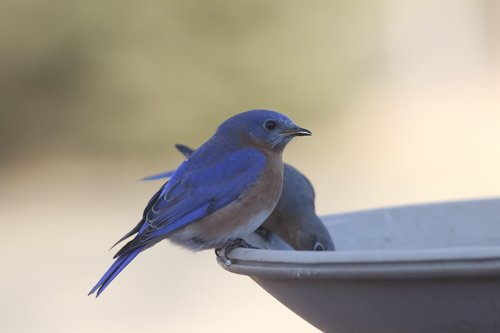
Bacon grease, collected in tuna cans, make excellent suet as good as money can buy.
“The neighbors have several older arbor vitae, too, so I kind of feed off of them and see what they have that may attract birds to the area and see what I am offering.
A grain-hauling wagon tipped over and the owners never cleaned up the mess so Peterson grabbed two milk jug scoops and salvaged 10 gallons of whole kernel corn.
“The gray and black squirrels ate the hearts (embryos) out of each kernel and blue jays and cardinals came in and cleaned up the rest of each corn kernel,” he said.
Field-run barley (waste) at 50 cents a pound is great mourning dove feed, he found.
Bob Ross, at Wild Birds Unlimited in Middleton, Wisconsin suggested that when possible, if trimming large trees, is to pile up some of the branches for protection from predators like hawks. “It’s a no-cost investment and birds love it,” he said. “Planting some fast-growing white pine trees and putting up some nest boxes works, too.”
And don’t overlook a heated bird bath, one with a heating element to run when the temperature goes below 35 degrees. Birds drink and bathe in winter, and seem to prefer water to snow.
Maple trees are another universal tree for perching, hiding seeds, and suet chips, providing flowers, fruits, and seeds for birds and squirrels. In spring, tap the tree with a drill and allow the sap to run out on a sunny day, even now. Get fancy and attach a can, it may be messy, below the tap and birds and squirrels will come and drink the sap.
Leave some unracked leaves for birds in spring and to find bugs and worms by flipping the leaves over like woodcocks and turkeys do in nature.
If a larger tree dies, trim it down in stages until the birds have removed all the bark. The tall stump can be a post for attaching feeders or suet, too.
While bird feeding can be an antidote against long, depressing winters so, too can spending a few hours in a greenhouse or a small stream spring. Pick some watercress, stand and watch the feeding birds, or don a pair of knee boots and stand in the warm water and feel the water vapor rise to your face.
Light snow is ideal for tracking animals and look for other markings including wingtip impressions and deer beds left where a deer spent the night holding snow on its back until it got up and ran away.
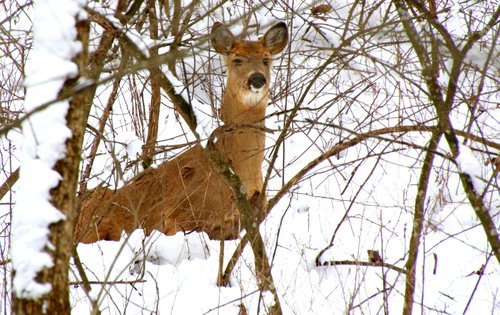
The total deer registered tallied 337,844 with 165,456 antlered and 172,388 antlerless animals. The nine-day gun deer season accounted for 183,076; of those 96,640 were antlered and 86,436 were antlerless.
Archers and crossbowers registered a total of 111,492 deer, 70,039 by crossbowers and 41,453 from archers. Archers took 25,697 antlered animals and 15,756 antlerless deer, while crossbowers registered 43,002 bucks and 27,037 antlerless animals.
Turkey hunters shot 3,955 birds; a breakdown on toms, jakes, and female birds is not yet available.
Contact Jerry Davis, a freelance writer, at sivadjam@mhtc.net or 608.924.1112.