Plant leaves, most plants have them, can be an outdoor enthusiast’s health check of the environment, weather forecast, seasons calendar, rain gauge, insect population survey, and more.
Some plant groups have a specific name for their leaves. Needles belong to pines, spruces and tamaracks. Fronds are found on ferns such as polypodium fern. Flower parts, petals and sepals, are modified leaves and act leafy, abscising, wilting, color-changing, and blowing in the wind.
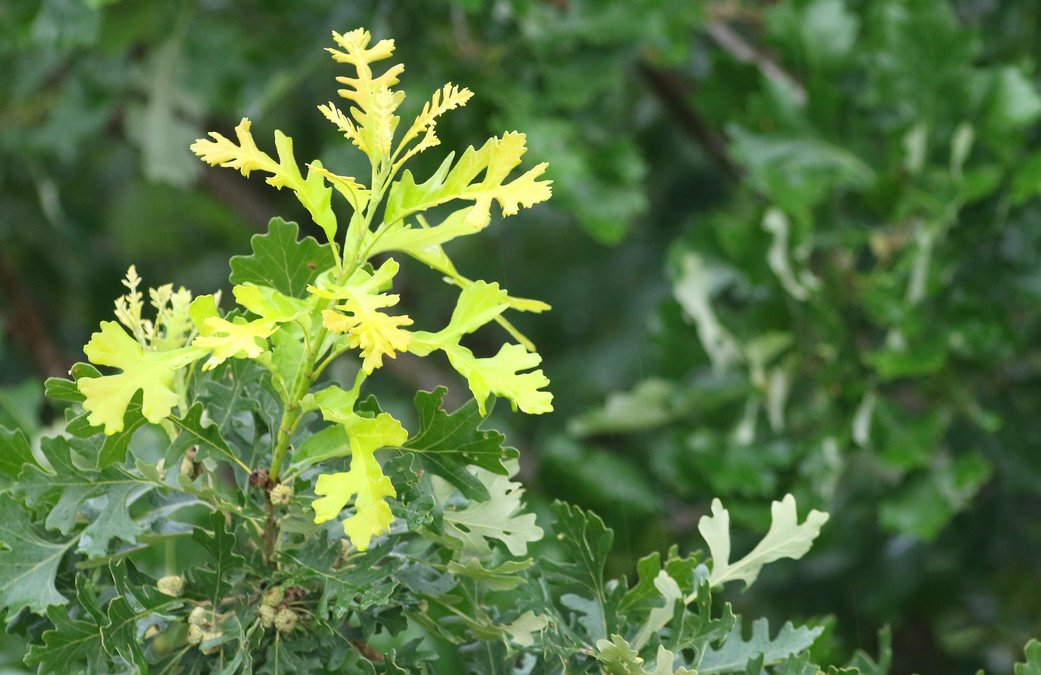
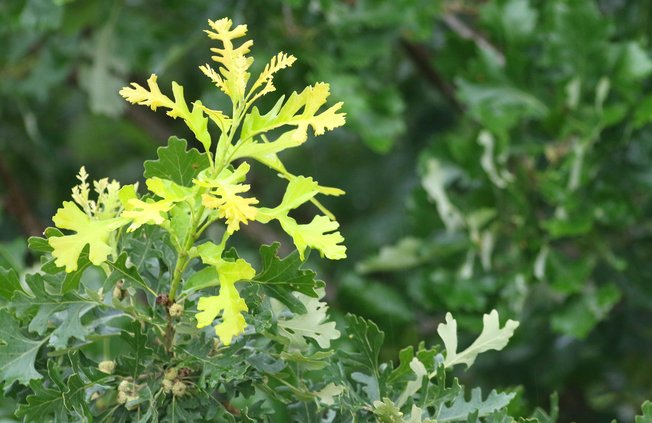
Most trees have finished growing longitudinally but some trees have put on a second flush of growth. These new leaves of summer are a different shade of green for a few weeks. It’s been a good growing season for leaves. More lumber is being laid down radially and acorns are going to have energy to fill out.
Dark green leaves of soybeans advertise optimal photosynthesis and that would be expected because these legumes have an association with bacteria to fix nitrogen. Corn need more fertilizer applications.
Leaves on late season crabgrass are lime-green but then they always are on this warm weather grass.
Leaves are trees main photosynthesis organ; the greener they are usually means the more energy being stored for wood and fruit growth. White oak in particular is often short on iron nutrients and leaves suffer from chlorosis and remain yellowish green.
Black walnuts are beginning to show yellow leaflets. This time it’s a fungus, anthracnose, which attacks leaves on a branch and turn yellow just as though autumn were here; it’s premature fall caused by a disease.
Real autumn-like reactions occur in woodbine now. One or more of the five leaflets on the compound leaves turns beautiful red and drops as a leaflet, not an entire leaf.
Holes in bean leaves means the Japanese beetles have returned. Entire leaves and young stems are missing? Yes, the tobacco hookworm caterpillar is living on tomato tissues. If larger still portions are missing on tomatoes, a whitetail has jumped the fence.
Any stress may send the leaves of trees looking like fall, but if probably isn’t.
When all the leaves on an elm turn brown and begin to fall off morel hunters rejoice for next April and May Mark your mind this dying elm tree being a place to look.
Real fall does a number on most leaves and upsets their pigment balance wiping out the green chlorophyll so red, brown, and yellow pigments rule inside woodland leaves.
Leaves can identify a plant, even tell us it is a sugar maple, not a silver maple. It the tree is leafless, scan the ground for old leaves.
American chestnut, mulberry, hackberry, and poison ivy are easy to read.
Stickseed, a weed known for frustrating any autumn outdoorsperson when clingy chains of tiny fruits attach to autumn attire. The basal leaves on this single stem die and turn a deadly black like no other plant in the woodland edges and openings. Pull the plant now before it blooms and fruits.
Diseases infect all plant organs, including leaves. Some the infections make host plant identity unmistakable and rather interesting to look at. Elderberry leaves may have banana-like growth. Goldenrod stems have enlarged stems. Many diseases are species-specific.
Deer antlers have more pointed tines noting growth is slowing and finishing.
Turkey poults, various sizes, are now flying and being called to by mother hens.
Blackberries are beginning to be a source of breakfast fruit.
Sharp-tailed grouse permits to selected hunters will be mailed shortly.
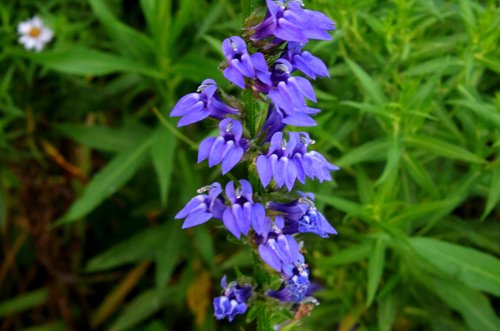
Prairies are yellow with sunflowers and coneflowers but waiting for great blue lobelia and bottle gentian.
Corn, alfalfa and soybean fields look great and dwarfing spring fawns.
Wild ginseng is heavy with green fruits but shows no signs of yellowing leaves and crimson berries.
Husks are covering fruits on corn, hazelnut, and American chestnut.
Mushrooms continue to pop up and just as quickly deliquesce into a heap of black mush.
Joe-Pye weed is turning tall and purple.
Reports from areas near rivers are that mayflies are hatching and the fish are feeding on them; fish lakes for perch and bluegills,” Doug Williams, at D W Sports Center in Portage, Wisconsin, said.
Contact Jerry Davis, a freelance writer, at sivadjam@mhtc.net or 608.924.1112.