An egg, even the nest containing an egg, a seedling, an eaglet, fawn, tadpole, flower bud, or a fungus mycelium are all the start of something great outdoors.
Embryonic stages of plants, animals, and fungi often have little resemblance to the adult species they grow to become. It’s exciting, helpful and great outdoors fun to learn these tiny beginnings.
It’s the story of a caterpillar becoming a butterfly. Once the immature stage is recognized, the adult form is learned, too.
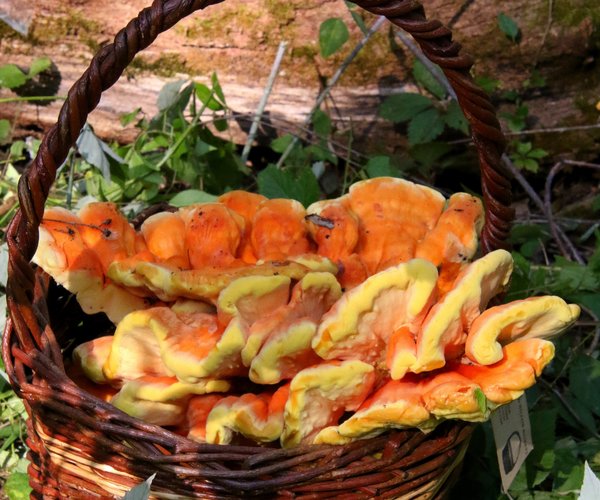
These are clues of what may develop into a grand ginseng patch, a beautiful bluebird or rose-breasted grosbeak bird, a hazelnut nut, or a sulfur shelf bracket of an eatable tree mushroom.
Habitats where the immature forms are seen are hints as to what will develop, too. Size of an egg, color, and materials a female, or male, used to construct the nest might be the missing piece. Parasitic particles could identify the host or the reverse. Most host symptoms are almost always used to identify the thief organism.
For those who gather, a good bloom spring could mean fruit galore if the flower is familiar or recognizing an orchid bud could bring us back to snap a shot or tediously stage a portrait of the elegant, erotic bloom.
The bumps on heads of white-tailed deer will become massive antlers; once that is discovered the prediction is automatic.
A ground nest of hen-sized eggs could be those of a wild turkey, ring-necked pheasant, ruffed grouse, or a woodcock. Size, number, color and location could give away the owner. Flushing her, males do not lay eggs or incubate them, is the answer we hope to learn.
Even soybean seedlings can be perplexing at first, but seeing them in a field row, then looking at corn stalks from last year’s crop identifies the bean rotation crop.
Seedlings of wild cucumber are so large and unique that once is enough, as are basswood tree seedlings with two hand-shaped seed leaves (cotyledons).
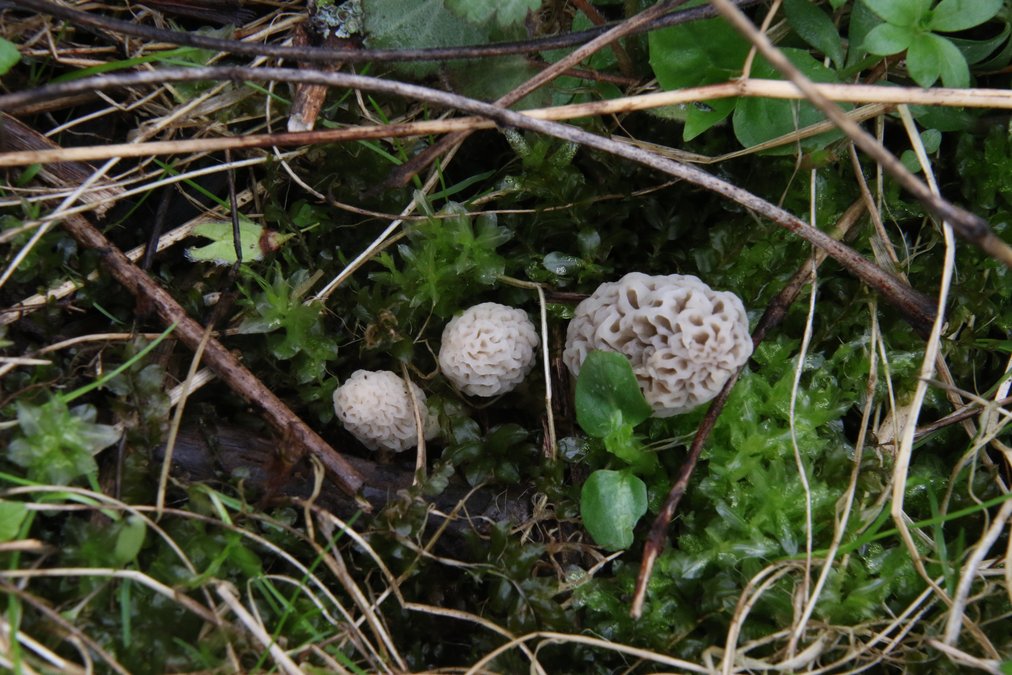
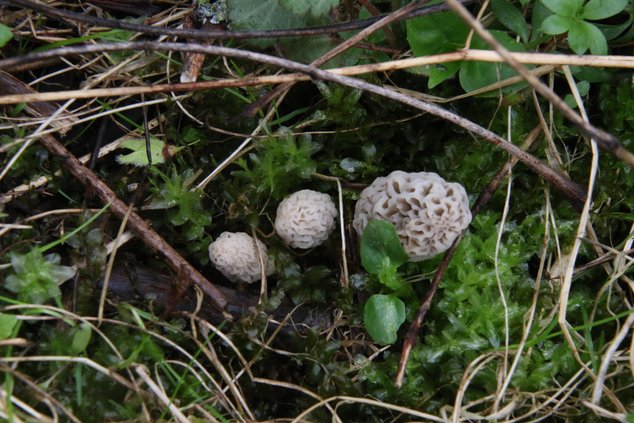
Morel mushrooms come above ground as tiny, white, wrinkled objects. Return in three days and have a basketful, or see hollow stumps of picked fruiting bodies.
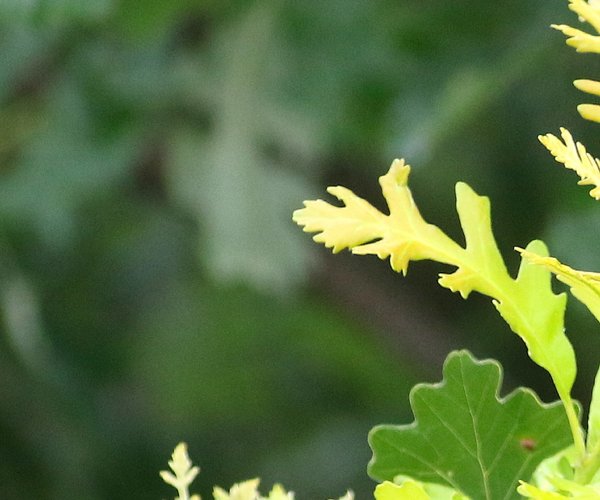
Shagbark hickory leaf buds can even fool a botanist into proclaiming it’s a flower, but won’t be fooled a second time.
Chives, growing grass-like, give a mild oniony odor instead of crushed lawn grass smell. Asparagus stalks come up round and purple before turning green or maybe white if covered from the sun. Mayapple shoots are indescribable and become unmistakable.
Nestling grosbeaks have the bills of their parents at hatching age.
Doug Williams, at D W Sports Center in Portage, Wisconsin gave me an oral clue by saying a tiny shoot that comes up along a fence, woods edge and may become vine-like, usually with reddish tinted leaves should not automatically be picked by children. Why?
“It’s the beginning of poison ivy, which sometimes exhibits a vine growth habit,” he said. “And don’t automatically pick unusual-looking, flower shoots. They could be a Jack-in-the-pulpit plants, an uncommon woodland flower.”
To a fisher, knowing how to read early plant and animal growth forms and actions can alert a trout chaser to what could be ahead for his or her underwater quarry.
“I don’t see many stoneflies but just enough to recognize that they precede the famous blue-winged olive Mayfly, in other streams” said Bret Schultz, a Black Earth, Wisconsin sage. And with that first Mayfly of the season, the parade of others is on as weeks roll by.”
As Schultz likes to say, “The good stuff is about to follow.”
He often sees trout beginning to hang out in the riffles as they pick up some of the bait “knowing” that the hatches are about to begin.
“I’ve seen Canada geese in pairs, no longer a gaggle of birds, feeding on the ground. Small greens are starting to show along the banks and tufts of brown, dried grasses are giving way to green blades”
Schultz has yet to see a trout on the surface this spring but hope to see a fish’s head very soon.
Spring break from school is another obvious sign of the times along trout streams.
Turkey hunters, know those same keys when they see more gobblers displaying and hear more ruckus calling that turkey bonus authorizations are being sold.
Zones 1 and 3 have hunting periods D, E and F authorizations remaining and Zone 2 and 4 have period F available. One permit purchase per day, maximum until all are sold.
Blooming birthdays, as Aldo Leopold referred to them, are now numerous. Many are tree flowers. Prairie Pasque flowers and marsh marigold dot their habitats.
Contact Jerry Davis, a freelance writer, at sivadjam@mhtc.net or 608.924.1112.