Rains came, humidity moderated, and days begin to shorten favoring planning and preparation over engaging in consumptive activities.
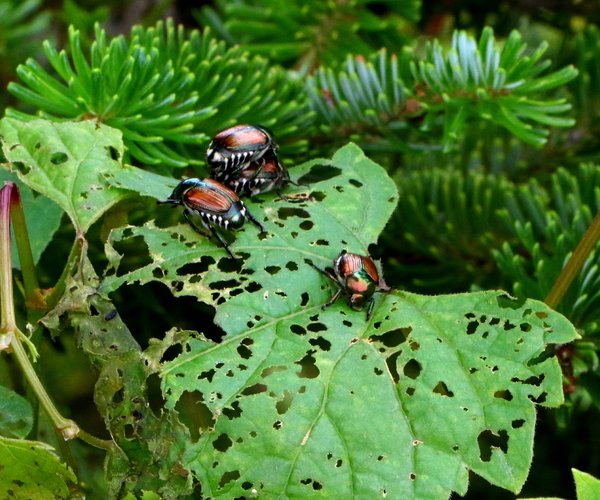
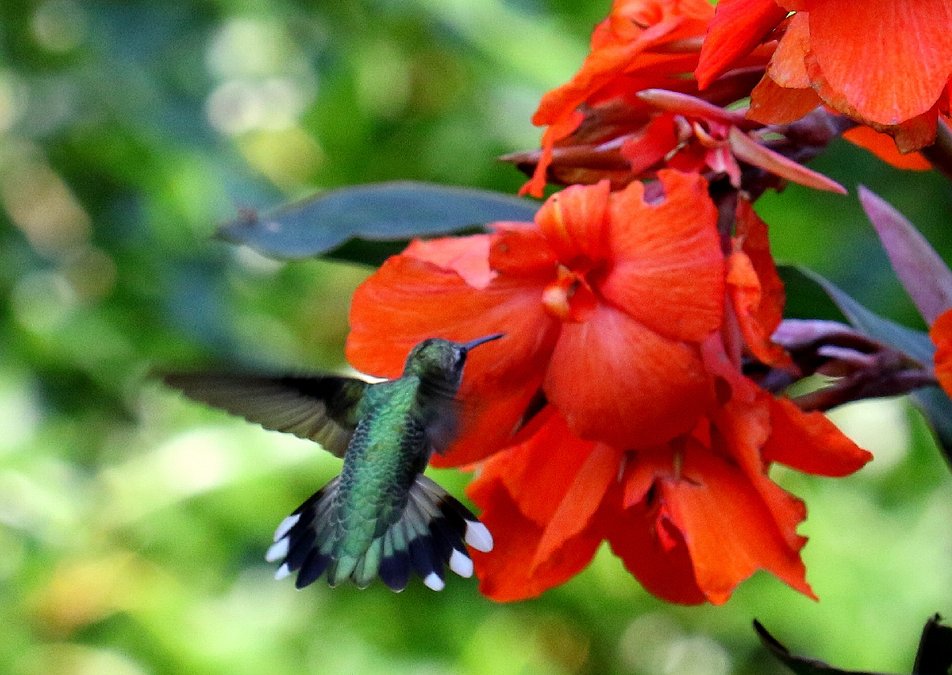
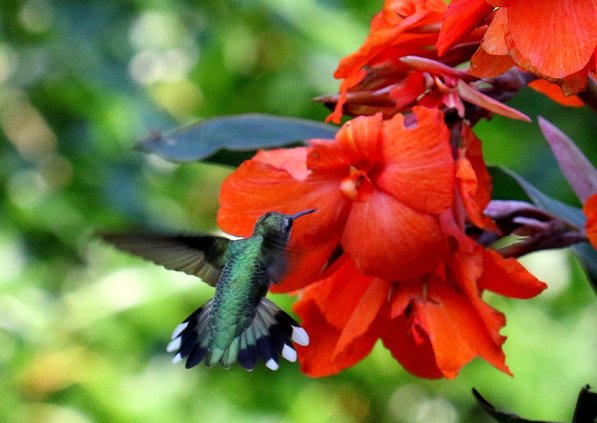
Insects, including colorful, fidgety butterflies seemed to outnumber the mosquitoes and Japanese beetles on beans, ferns and cannas.
Lookalike monarch and viceroy butterflies play life and death games with predators but only a monarch has poison picked up by the caterpillar from its milkweed feeding.
These particularly colorful insects never sleep, don’t even have eyelids to close their eyes. Instead of full sleep they engage torpor slowing bodily activities on a daily routine.
Wisconsin’s black bears do the same and kick in torpor on a yearly bases and can be alert, get roused, even give birth to cubs during what is commonly called hibernation.
It’s hopper season to trout anglers. Here the doing does kick in, sometimes to the fullest along spring-fed streams where the banks are lined with “grasshopper vegetation.”
Bret Schultz, of Black Earth, Wisconsin said hoppers and trout come together about August 1st. “We were fishing in Richland County, Wisconsin in the morning and caught a few fish but by noon it turned to all hoppers as the natural ones began falling into water’s edge if they missed a vegetation leap. We got more than enough to call it a successful day with just one type of terrestrial fly.
All fish caught splashed back to live another day.
Hopper fishing is best on smaller streams and streams with vegetation left standing as a border on stream banks.
Katydid insects bring us back to preparing and not so much participation. This large, green insect who struggles to fly even a few feet and males calling on into the night can occupy our time just wondering about nature.
Ginseng season opens September 1 but now is assessment time. Are there plants that might be large enough rooted or too small so removing them would upset the population, cut deep into seed production, and should not be dug during this season? Seeing and planning but not participating is one’s duty of being ethical about taking.
Ginseng berries are ripening red and a few plants are yellowing and beginning to droop. Come back in two weeks with a license and screwdriver and decide whether to plant the seed but leave the root.
Any woodland, forest, or prairie walk will bring one back to reality when pausing to rest and look for deer ticks on clothing but finding a half dozen hitchhiking burs. Time to dig out the smoother pants that give some chance of these hitchhikers having to wait for another animal to carry a load of embryos to a new location, a better habitat, or drop in place and compete with more of the same.
The bur oak’s burs do not cling but carry a deer’s late summer supper but don’t plan on them being there on September 12. Most will have fallen and been consumed by deer, turkeys, and squirrels.
Locate a fruiting white or swamp white oak instead.
Mushrooms are close to engaging macrophagous gourmets. The early chicken of the woods are hunter orange but many have not yet appeared from deep within the rotting oak stump or log that might be still standing were it not for the parasitic fungus we so much desire.
All is not lost in this early search. A “good” stump may still be brown and lifeless but that tells us we were too early; check again.
Checking for hen of the woods and puffballs is worthy even if it ends with hitchhikers wanting a ride to new ground.
The deer may be gone but he may have rubbed a sapling to near death. He may have left a few velvet fragments but we know he will be moving alone and given up the playful summer of bachelor bucks bunched in fours and fives.
Scrapes will accompany these early rubs in a few weeks. Come back again. The walk and look was worthy. Maybe a spotless fawn with show off its new, darker coat.
The smooth bark of a red maple may have survived but a tom bobcat left his sign of three claws that dug through the bark and into the wood. It will be years before the signs are gone.
A farmer from Clark County just called and asked what animal might leave scat on his limestone gravel driveway and mound it in a ring about a foot in diameter? Oh, and he said several of his barn cats have disappeared. Bobcat for sure I told the farmer.
Camera or photographic memory can document or refresh the color blue in asters, bottle gentian, great blue Lobelia, and everlasting coneflowers. Red cardinal Lobelia will be scarce.
Pokeweed is becoming too numerous but still interesting as it reaches six or more feet matching the giant ragweed. Hay fever time is nearing.
Turkey poults can take flight. There is still time to purchase a turkey permit, or a bonus authorization. Turkey season is open during gun deer season in most zones.
The Wisconsin Department of Natural Resource Fall Hunting Forecast has now been made available on the DNR web site, along with the Fall 2026-Spring 2027 Wisconsin Hunting Regulations hunters, and others, should use.
This pamphlet will be available free later in August.
Contact Jerry Davis, a freelance writer, at sivadjam@mhtc.net or 608.924.1112.