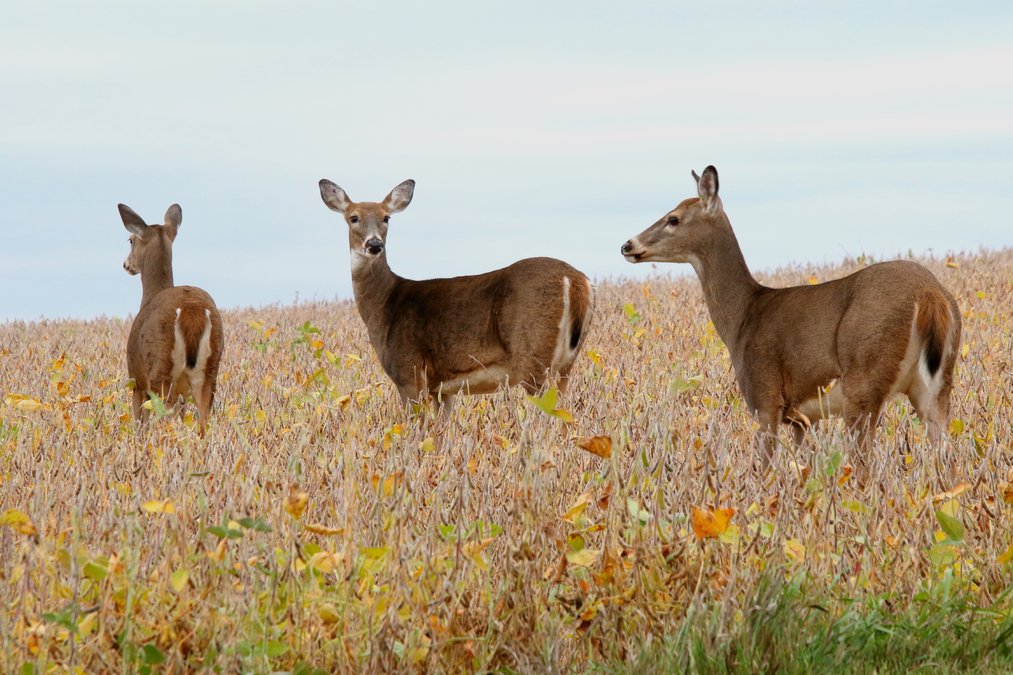
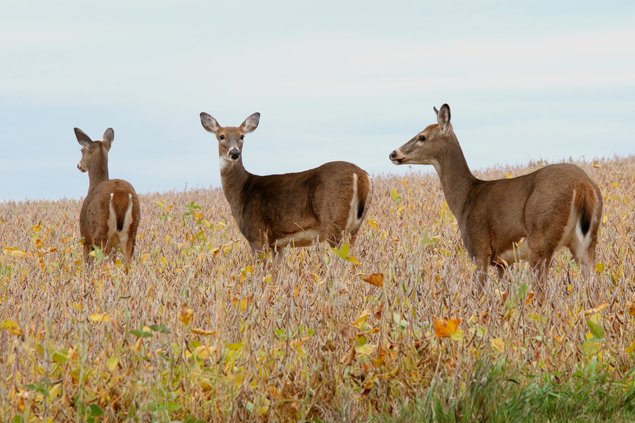
Wisconsin’s state wildlife animal is the white-tailed deer.
It is deer season in the broadest sense now through November.
Most Wisconsin residents think about this cervid when gun-deer season is open around Thanksgiving, when fawns are born in May, and when we see deer in our vehicles’ headlights.
We know whitetails as fawns, bucks and does. Other reminders of deer are antlers, a four-chambered stomach, hollow winter fur, hosts to chronic wasting disease, Milwaukee Buck’s mascot, blaze orange hunting clothing, and the nine-day gun deer season.
Still, Wisconsin does not have a Deer Day as a reminder of this icon, a celebration of this big game animal and an emphasis to learn more about this animal and its population.
To say the whitetail is in season is a mouthful. Yes, this is the time when deer mate, or in other words are biologically “in season.” It’s venison meat season; hunting seasons are open; and a time many admire, photograph and go looking just to be able to say “I saw a buck.”
Hunters and non-hunters are greatly involved in other ways, too.
Young forest, landscape and park trees are being “attacked” by bucks of all sizes.
During this season buck deer are most active, move day and night, feed less and travel into areas we rarely see them.
It is difficult to escape many of these adventures and easy to participate in a deer season of your choosing.
Drive safely and alertly. Deer crossing signs help but deer may be anywhere even in a grocery store aisle. This happens somewhere every year.
Protect young trees with wire, posts, or wood slates.
Take slow drives through state parks and rural town roads. Watch partially-harvested fields for feeding deer. Be out and about at dawn and dusk or avoid those travel times and locations to avoid seeing a deer.
Purchase a license to hunt. Or ask a hunter to explain a bit about deer hunting. “Deer hunting is one of the few methods we use to control deer populations,” said Wayne Smith, Blanchardville, Wisconsin. “Diseases spread more and faster when populations are too high.”
Doug Williams, at DW Sports Center in Portage, Wisconsin was blunt and said, “Deer hunters are the only people who keep the deer off the fronts of our vehicles. We need to have more, not fewer, deer hunters.”
Tolerate hunters walking around in blaze orange, fluorescent pink, and camouflage clothing, and yes, an orange, or pink cap is required by hunters during gun deer seasons.
The Wisconsin Department of Natural Resources has reported 14,600 deer registered, 6,593 were antlered and 8,007 were antlerless. Most, 8,510 were taken by cross-bowers and 6,048 by bow archers. These numbers are updated weekly as more and more seasons open for hunting.
Deer killed by vehicles are not part of these totals.
Non-hunters, as well as hunters, can wear the same colorful clothing during season, to celebrate these events. Be more obvious, and safer when hiking, and acknowledge the state wildlife animal. In some cases, as with camouflage clothing, be in style and in season.
It is difficult to avoid brushing against blaze orange and Mossy Oak camouflage so don’t even try, even when it means a longer wait at the convenience store counter or gas pump (sorry).
Remember, too that one of the many reasons WDNR field wardens are out and about during this season is to help make recreating safe for hunters, landowners, and anyone else outside enjoying autumn.
Non hunters can report questionable, unsafe activity to field wardens. Wardens will talk to and answer questions from non-hunters. Use the DNR information phone number, 1-888-936-7463 to get answers, too.
Non-hunters can, and have, nominated a hunter for a WDNR ethical hunter award. Hunters have been honored for stopping their hunts and helping hunters and non-hunters who need advice and explanations about outdoors activities.
While “deer season” is open, many other outdoors enthusiasts are enjoying mushroom gathering or viewing. Giant puffballs are appearing, some the size of volleyballs. While edible, most do not find this fungus particularly appealing.
Texture and shape of earthstars, birds nest, coral, tooth, and bracket fungi have appeared. Most are not edible.
Pheasant hunting season opens October 17, at 9 am.
Autumn continues with shows and sounds of rustling corn leaves, silos encased with Virginia creeper, oaks beginning to turn bronze or dull red, hitchhiking plants are ripe and ready for a free ride, many evergreens are dropping needles, seed cones and scale leaves.
Pines, and others, are not dying only the older needles are.
At last count turkey hunters had registered 909 birds of various sizes and genders.
Cutting and working up firewood is a good way to strengthen muscles for future autumn hikes and hunts.