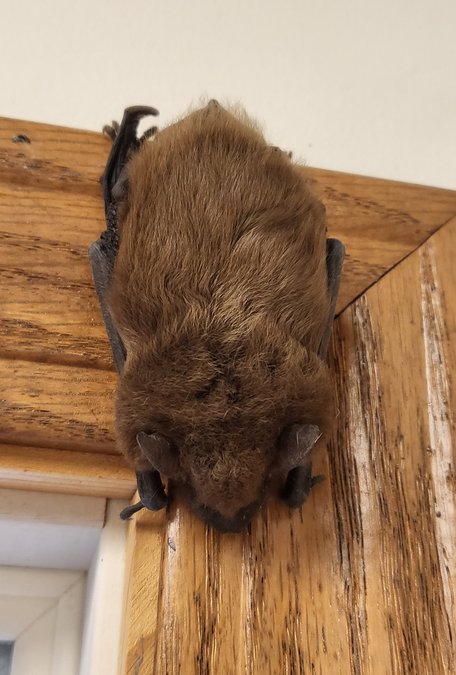
As the warmer weather trend continues, bats will soon start to emerge to roost and nest in our neighborhoods.
Thoughts of spring will soon start to dissolve into daydreams of summer. In addition to the overnight vacation camping trips, many are already planning those late-night neighborhood barbeques.
In the late-day hours, when darkness starts to take over the daylight, bats begin to emerge from their roosts and nesting locations. Most people will begin watching them at dusk, some in horror and some in fascination. They are more than just part of our outdoor adventures; they are a healthy part of the natural ecosystem in Wisconsin.
The Badger State is home to eight bat species, all of which are protected — the Little Brown Bat, Big Brown Bat, Northern Long-eared bat (also federally endangered) ,Tricolored bat, Silver-haired bat (in need of immediate conservation action), Hoary bat, Eastern red bat, and the less commonly-known Evening bat.
All of the species of bats in the state are insectivorous. They use echolocation to navigate and capture mosquitos, flying beetles, and other types of bugs.
For those who don’t cringe at the thought of bats, the installation of a bat house might be an ideal addition to the backyard. Placing the bat house at least 12 to 20 feet from the ground will allow them the space needed to drop down and slith out the bottom of the bat houses. The framework should be constructed or attached to a framework of a shed or residence.
Placing bat houses on trees will not have favorable results as natural predators will have access to the little pups once they are born. Bats don’t actually fly, but rather glide their way out of the opening by dropping down.
There are how-to and do-it-yourself videos to build your own bat house. Certified houses can be purchase online, although breeds of bats like to nest differently, so be sure to select a bat house that supports the bat species in your area. Placing bat houses toward the sun will allow the interior of the houses to warm, even at night, as the warmth assists in the development of the bat pups. Bat attractants are not the most effective, but for those wanting to give them a try, a large selection is for sale online at a variety of outlets.
Bats need water, and so does their prey. It is suggested to provide a water source within 1,200 feet of bat houses and natural roosting areas, as it is a sure way to bring the bats into the yard. The more natural the water source, such as a lake, stream, natural spring or creek, the more likely to attract a variety of animals into the yard space. The water source not only provides hydration for the animals, but a breeding ground for mosquitoes, which are a favorite food source of the bats. If natural water isn’t an option, consider a bird bath, preferably one that has some sort of a fountain for movement and to avoid water sitting stagnant.
Creating a native garden that attracts bats and other pollinators means selecting a variety of trees that support roosting areas and nesting places. Bats, birds and other animals that make Wisconsin forests their home, will show their appreciation by moving themselves in when no one is looking. Depending what type of landscape is chosen, trees such as Black Walnut, Ash varieties; Basswood, American Beech, Oak, Birch and Maple trees, all provide shelter for nature in our own backyard. The trees provide shelter, and create a natural habitat for bats, several bird species, and small animals, such as squirrels and chipmunks. Try to avoid using pesticides in gardens and in grasses, as bats thrive on insects that are directly affected by the pesticides. Using pesticides will harm bats and eliminate the natural predator of garden pests.
Bats are not the only nocturnal animals we have the chance to enjoy seeing after the sun goes down. A large number of owls start to hoot while crickets and frogs sing their own melodies. Some species have natural glowing tendencies, such as fireflies (sometimes called lightning bugs), glowworms, fungus gnats, and a variety of mushrooms, which tend to not be native to Wisconsin. Those individuals who prefer to light their backyards with black lights might enjoy the luminous glow from the ghost mushroom, which is native to the Midwest, and was located in Lafayette County a couple of years ago.
Artificial lighting, such as incandescent, fluorescent, and LED bulbs, disrupts the natural behavior of nocturnal animals. While safety is usually a reason for artificial lighting in backyards, it is suggested to turn off consistent backyard lighting at night and replace it with motion-sensor lights. If lights must remain on, then select lighting options where the lights face downward, rather than upward. Other options are the soft glow lights that give a more natural feel, without the blinding bright-light effect. Natural behaviors of bats, fireflies, owls, and other nocturnal animals get disrupted with artificial light.
Natural light, such as campfires and burn pits, can be just as calming to native species, as we enjoy those things ourselves. The moon and stars, however, will remain as the most mesmerizing form of natural light, and will likely be the most cherished form of natural light in any outdoor living space.
Creating the space for the nocturnal nature to enjoy your backyard, the more your flower beds and gardens will thank you. Bats that enjoy your outdoor living space will visit often, while working their magic as your overnight natural pest control.