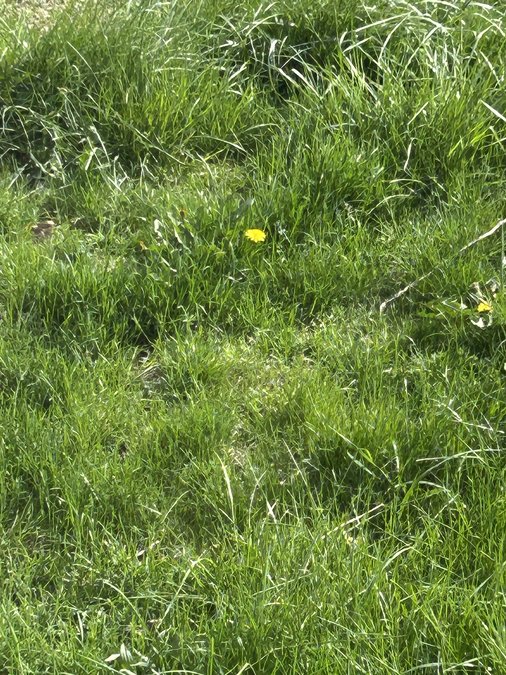
The No Mow May campaign has swept through social media platforms, encouraging people to not mow their grass during May.
For some, the idea of leaving their lawn to seed into weeds seems unfeasible. Those living in communities with ordinances covering allowable grass length, neighborhoods with restrictive covenants, or areas where their neighbors don’t support such practices, things can still be done to participate in the conservation effort.
The No Mow May effort is designed to allow pollinators a food source, providing them something to eat when they first emerge each spring. Such plant life as dandelions, clover, and creeping Charlie are aggressive enough to emerge just ahead of the pollinators that share the neighborhoods in which we live. In addition, taller grasses provide shelter for the pollinators.
Michael Compton, PhD, the Program Coordinator of Environmental Horticulture and Professor at UW–Platteville, said even homeowners who wish to participate in the conservation effort can do so while still keeping with regular maintenance of their lawns.
“There are many ways people can participate in the No Mow May campaign,” he said. “Those that must maintain their lawns due to an ordinance or by personal preference can move their mowing deck up high enough to still cut and maintain their lawns, yet miss the tops of the dandelions and other plant life that is needed as a food source and habitat for the pollinators.”
Setting the mower deck higher to 4½ inches will still help keep lawns looking maintained, and not so out of control. The flowering parts of plants such as dandelions and white clover will still be present as a food source in early spring. The No Mow May campaign helps to reduce the carbon footprint we leave in our little parts of the world.
“If homeowners are unable to stop mowing altogether, then it is suggested to mow less often, just for the month of May,” said Compton. “With some city or town ordinances, there is a requirement to mow lawns to maintain appearance. In those cases, it is suggested to have an area in the backyard or on the side of the residence that is set aside as a pollinator garden to support the No Mow May campaign. That way, people can still maintain their lawns, and still provide shelter and food for the pollinators.”
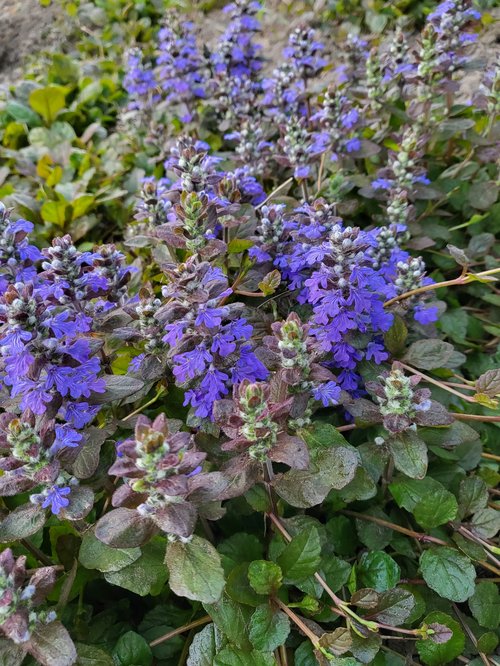
The No Mow May effort also aims to provide pollinators a natural habitat, to allow grasses, wildflowers, and weeds the opportunity to grow. Some of the early plant life in lawns might seem invasive, but are native to Wisconsin.
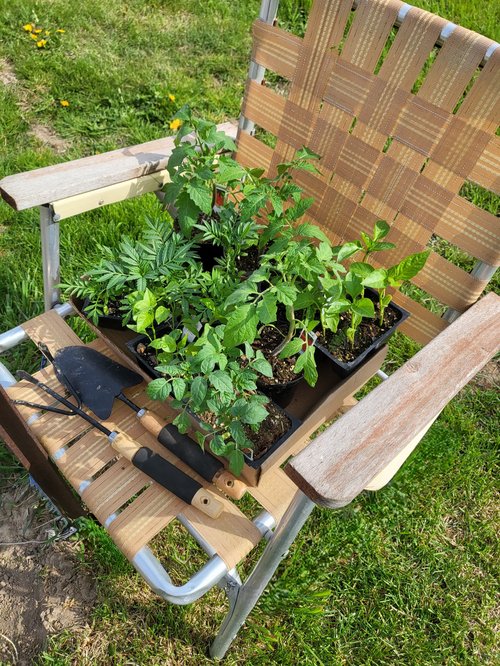
Small lawns and urban areas can also make a difference. Landowners can create a zone with different grass lengths to balance aesthetics and wildlife support can be done with just a small bucket, planting box, or hanging planter. Select a cluster of grasses right from the lawn itself. Lawns with varied grass lengths create natural habitats for insects and invertebrates, and help support nature’s balance.
“Homeowners can mow lawns in the late afternoon or evening,” said Compton. “Some pollinators are active in the morning hours or early afternoon. To allow them to pollinate, it is best to avoid them when they are most active.”
Dandelions, White Clover, Henbit, Bindweed, and Chickweed are all early bloomers that help provide necessary nutrition to bees, butterflies, and moths. Several plants that begin to arrive in spring assist the helpful little pollinators in our yards. Those first weeds and early plant life after the winter months have melted away, are essential for backyard conservation efforts.
“Any plant that is out of place can be considered a weed,” said Compton. “To a farmer who plants soybeans, a sprout or two of last year’s corn can be considered a weed. It is all in the perspective. To some, a dandelion isn’t a weed, it’s a flower.”
To a young child picking a jelly jar of flowers for Mom, a dandelion looks like a hearty choice. Mother’s Day almost wouldn’t be complete without a yellow dandelion bouquet from nature, as hand-picked by a child. After the dandelion’s yellow petals wither, the flower head closes, and then reopens to reveal a spherical, fluffy white seed head where thoughts are wished upon, along with the opportunity for those dreams to come true.
While providing shelter and food for pollinators, expect to see an increase of activity in the lawn or reserved area. You may also notice a new variety of plant species appearing in your garden due in part to the help of the little pollinators. If they are happy with their environment in your lawn, they may visit nearby lawns, and return, bringing something special back. This is how random colors of tulips appear.
No Mow May is more than a month-long initiative; it encourages garden management that benefits nature, people, the climate and the natural world. The initiative was started in 2019 by Plantlife, which urged homeowners and garden caretakers to refrain from mowing their lawns throughout the month of May. As that may not be possible in some regions, the idea has brought a better understanding to those who can make other slight changes in their lawn and environment.
Landowners can sign up with Plantlife to receive tips, guides, and badges, and share your participation on social media using the hashtag #NoMowMay. www.plant life.org.uk/campaigns/nomowmay/.