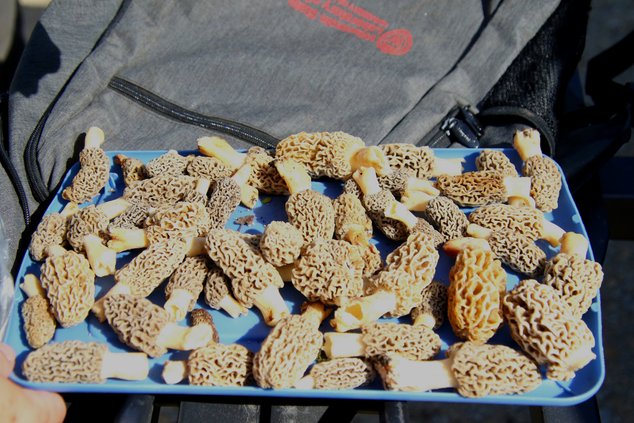
Those out to gather trout, morels, turkeys, and asparagus were smiling when the rain, hail and wind subsided. Most were thankful for the moisture.
Ground nesting birds dealt with the storms best they could; gardeners and farmers coped with major rain delays, which we all may feel in the future when sweetcorn is available this summer but not as early as we would like.
A pair of sandhill cranes found a pond of water but when they began to use the tiny mound as a safe nest site, the water level rose. No problem, it seems. The cranes simply mounded up more cattails when necessary.
When egg-turning times came the two cranes added to the nest, making it a bit higher, too.
The next problem might be getting the two colts to shore where they can begin to find feed for themselves. The deeper water made walking to shore difficult for one adult when she (smaller of the parents) left the nest and began wading toward shore. She made it and could fly if necessary, but didn’t.
Most of the ground nesters including pheasants, grouse, woodcock and turkeys were still in the egg stage, but not chicks that may have died with the heavy storms.
Trout anglers love an occasional storm and high water, even a mild flood is fine.
“A good scouring is just what we need occasionally,” said Bret Schultz, an every-day angler living in Black Earth, Wisconsin where Black Earth Creek flows nearby. “There were a number of trees that blew over and ended up in the creek, which can be a problem. Silt may have been deposited along shore or in the middle of the stream and has been known to get an angler stuck.”
Turkey hunters continue to chip away at the season week by week, period by period.
“A few hunters who hunt lowlands are likely to find turkeys are restricted and find higher ground, which could be an advantage,” said Jeff Fredrick, of Jeff Fredrick Design, Mindoro, Wisconsin. “ I don’t do anything differently as the later periods come and go. In general, the storms didn’t have a big impact.
Fredrick has seen it all when it comes to hunting eastern wild turkeys so he was not surprised to see two jakes run off a mature tom. “It may have impressed other turkeys seeing a larger tom be run off like that but I wasn’t impressed,” Fredrick said. “Turkey hunters probably don’t understand turkey dominance, but a smaller bird can run off a larger bird if its mood is right.”
“I’ve been hunting Wisconsin wild turkeys for 39 years and don’t change my tactics in the later periods,” he said.
Bald eagles have been impressing and surprising observers who are willing to take notice. Doug Williams, at D W Sports Center in Portage, Wisconsin was watching a mature parent eagle searching for food for newly-hatched eaglets. The high water had displaced fish as well as game and Williams expected to see the eagle come away with a fish from the flooded river. Instead the bird had picked up a small snake.
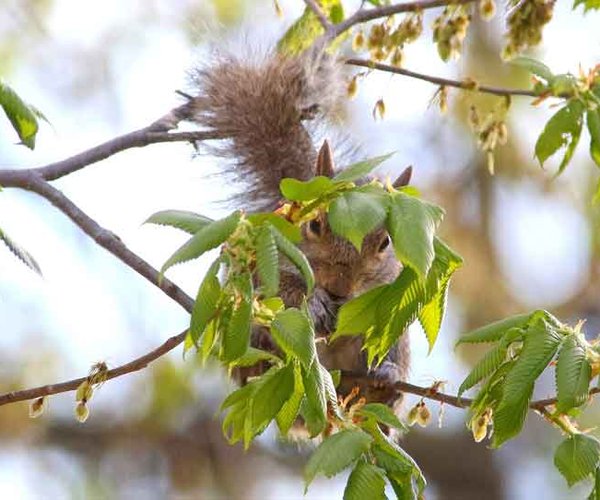
Another bald eagle, hunting along the Mississippi River swooped down and flew away with a gray squirrel and left golden retriever puppies safe and sound in their outside playground.
A number of deciduous trees have already completed the flowering, pollination, seed set, and putting a fruit covering over the seed. Elm, boxelder, maple, and many others are beginning to drop an enclosed seed package before squirrels climb to cut the fruits and eat the seeds.
Other deciduous trees, the white oaks, are in the process of developing far larger fruit-seed packages to shed in autumn.
Red oaks take two years to complete the same process and both the second-year acorns are maturing while first-year nuts are beginning the process on the same tree and likely the same branch.
Wisconsin’s three pines, red, white, and jack, are much like the red oaks in taking two years from pollination to seed drop. Look now at these pines and find last year’s seed cones maturing to drop winged seeds in October. The seed cone will drop the seeds.
Pine seeds are not borne enclosed in a fruit. Pollen and seed cones are developing on the same individual tree.
Spruces and balsams develop their seed cones in one year.
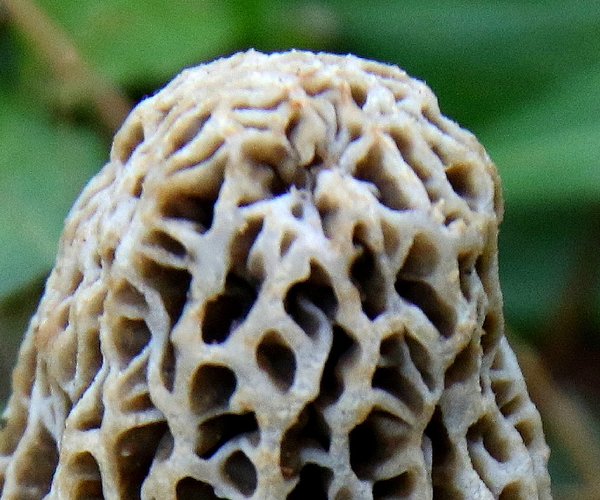
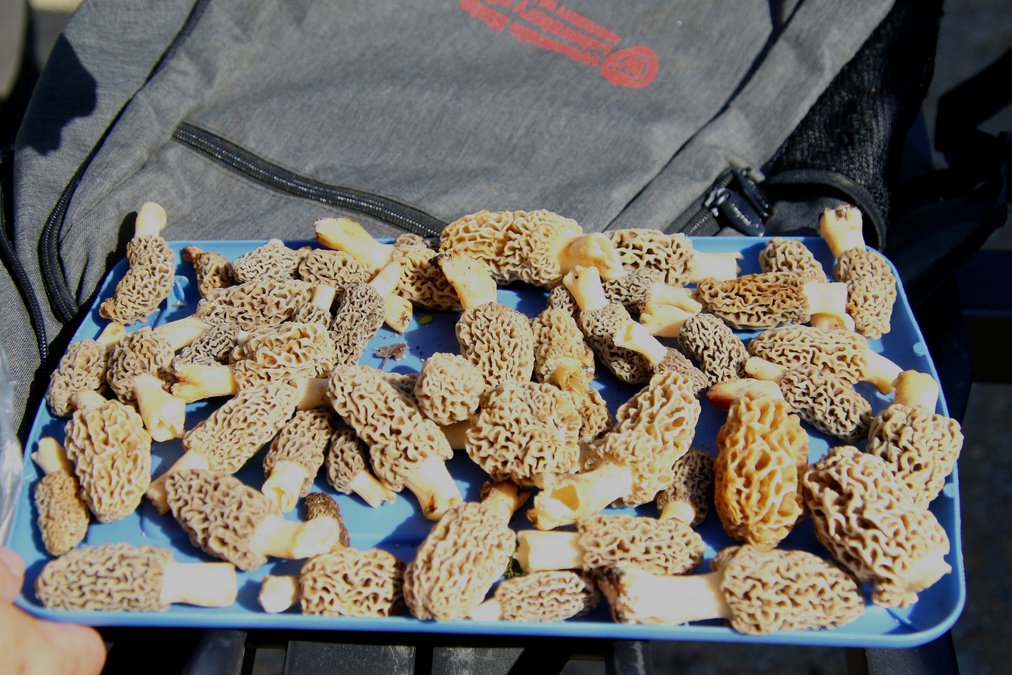
Morel mushrooms do not produce seeds or fruit, but the mushroom coming above the ground in May is called a fruiting body probably because the spores this mushroom produces function somewhat like seeds.
Early assessment of the morel season has been good, compared to the three previous years. There continues to be fewer and fewer mature, dying white elms, which are some of the best hosts for the morel fungus.
It may be a good idea to search other habitats including some pine plantings, logged areas, prairies and old apple orchards where live trees still remain. None of these habitats will match the marvelous American elm forest as a morel fungus host.
Looking for that one lone, recently dead elm is still, albeit infrequently, a source of a motherlode of morels.
Contact Jerry Davis, a freelance writer, at sivadjam@mhtc.net or 608.924.1112.