Outdoors is always there, through all kinds of weather, on holidays, weekends, and during snow days.
When at a loss for something to do, step outside. Whether participating, watching, engaging, gathering, or photographing the outdoors can fill the moment, minute or weekend.
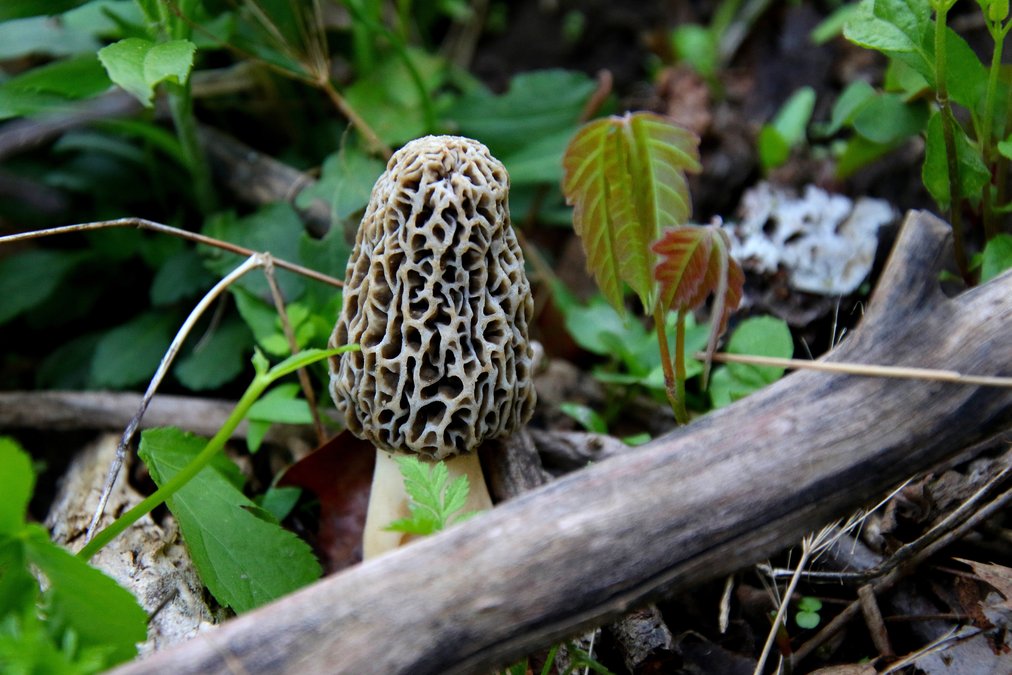
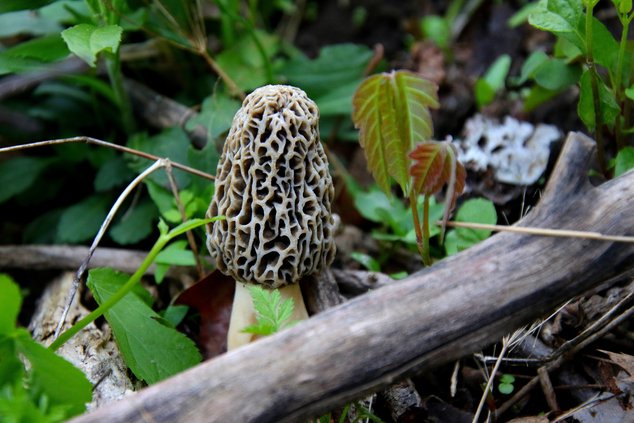
Morel mushroom looking, finding, and gathering has been better than the last three years. There are more to come with the early finds in April and ample moisture. A decade ago “good elms” gave up finds of 100 or more mushrooms. Small ones came first and larger, later ecotypes as Wisconsin mycologist Dr. Tom Volk used to say. Larger ecotypes of the same species followed the sage said.
A morning trek through an old apple orchard was finding one here and another there, just enough to marvel at, photograph, and arrange into a balsam bouquet. Selling was not on the list.
Large American elms are wanning, but last week one hunter found two such dead trees and walk away with several hundred, the that continue to be a rarity. But keep searching.
While picking the last of the fruiting bodies in a prairie I heard a shotgun blast across the valley. Knowing the area and the likely hunter who might be there I drove into the valley and waited for the hunter and maybe his son to come out with a bird. They didn’t appear and I guessed the two of them were waiting for the second bird or that a lone hunter had missed a turkey. I later learned it was someone else who had shot.
Red oaks were decorated with pollen catkins and new leaves with pointed margins. The leaves were light enough to use whitish in describing them.
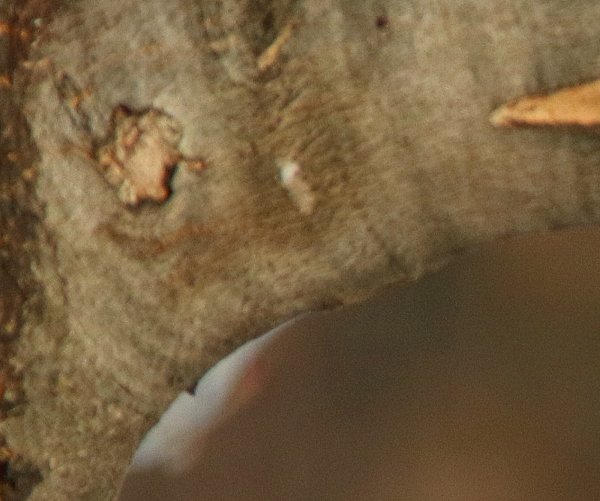
A half-century old white oak had been fighting decay where branches were cut or fell for a reason or two. One scar was a perfect shape of a heart where the cambium attempted to close the wound. The novelty was worth a file “foto.”
A bald eagle pair perched in a leafing-out silver maple overhanging Trout Creek in Iowa County, Wisconsin. The pair had a nest failure again this year so they seemed to be mourning the loss or just wait-fishing over the stream. The pair provided a perfect situation to determine who was the male and female based on size that the male was smaller.
Two human fishers approached the day casting into the water below a dam but by day’s end I would put my money on the eagles taking one or two brown trout home to eat.
Spring is a good time to look and listen to the water falling over this dam at the antique Hyde Mill site in Iowa County, Town of Ridgeway, Wisconsin. The same two trout anglers had moved to a tributary of Trout Creek and caught and released several brown trout. They were not in a hurry and commented on the beauty of the area and ample water flowing over the dam.
I had hoped one of the Sawle brothers, sons of Ted Sawle, who last owned the mill, would be camping in the private lot adjacent to the water wheel and could show me a water snake or two, which are usually plentiful around the dam. Another day, maybe.
Timber rattlesnakes used to frequent the area, but like the once-busy mill, they, too had apparently grown tired of the changing habitat.
Day’s earlier I happened to drive past the Hyde Chapel nearby and saw that a pair of sandhill cranes had prepared a nest atop a mound in a pond. Heavy rains had forced the cranes to continue to raise the nest with more and more cattail stems.
One crane flushed from a nearby lowland and the incubating crane remained on the nest but eventually got up and stepped off the mound showing two white-tan eggs, very much egg-shaped and dry.
It takes about a month for a colt embryo to mature and break the shell. I wondered how and how long after hatching the colts would spend on the mound before coming onto dry land. The adults could barely walk to the shore even with their long legs. Could the new cranes fly, swim or be assisted in some way to shore?
Manuals say baby cranes are mobile, downy, follow parents, and find food on their own.
What are the chances of happening by when this journey to shore takes place?
Three Blanding’s turtles were sunning on logs and other elevated structures. This species has a dome-shaped shell and a bright yellow lower jaw, like no other Wisconsin turtle. Older books and pamphlets list this species as threatened but it has been elevated to a more stable population according to Travis Anderson, Wisconsin Department of Natural Resources wildlife biologist for Iowa and Lafayette counties, Wisconsin.
Where would Wisconsin’s outdoor enthusiasts be without farmers’ crops, tilling, and land-clearing?
A way up the road from the Hyde Chapel a farmer and his wife were at work on Sunday afternoon. “Make hay when the sun shines,” farmers say. Scott Gaffney was drilling soybeans in rich loam soil in one of the longest farm fields in the county; a mile to be sure, but very narrow.
Val Gaffney was picking rocks from the field loading them into a UTV as the family dog sat in the passenger seat.
Why bother removing rocks? Scott Gaffney was planting soybeans, in part because they require less fertilizer than corn. The combine harvesting beans rides inches above the soil so a stone is likely to mess up the cutting bar sickle come October. Val Gaffney’s job this Sunday afternoon was as important in the margin of profit as Scott Gaffney’s cutting back on fertilizer.
What does The Gaffney Family Cattle operation have to do with hunting, fishing, hiking and sightseeing? The family retrofitted an old cheese factory into a bed and breakfast rooming operation for trout anglers, deer hunters, turkey hunters, and other visitors. So in addition to their crops that feed game, songbirds and likely cranes they rent out overnight accommodations.
A full day was just beginning to scratch the surface of so many opportunities to enjoy the outdoors in many ways including sightseeing, gathering edibles, photographing birds, and dreaming of hunting turkeys later in the spring season.