A long-time public land pheasant hunter, and his adult grandson, made their way past a gated, one-time town road in Lafayette County, Wisconsin just after the 9 a.m., season opener.
The grandfather said to me he just had to come to the Yellowstone Wildlife Area adjacent to Yellowstone Lake State Park one last time. This hunter had a makeshift cane in one hand and a shotgun in the right.
The grandson carried the old man’s collapsible stool and his own shotgun.
“I have three kinds of arthritis and just found out yesterday I have cancer but wanted to experience what might be my last pheasant hunt here at Yellowstone,” he said with more enthusiasm than anyone might expect.
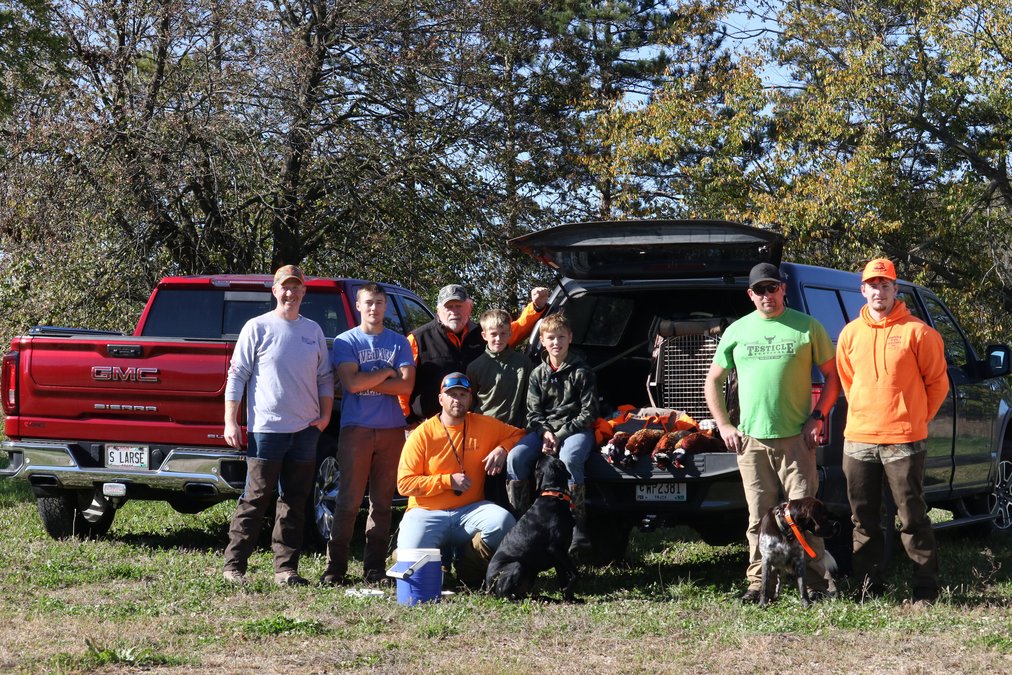
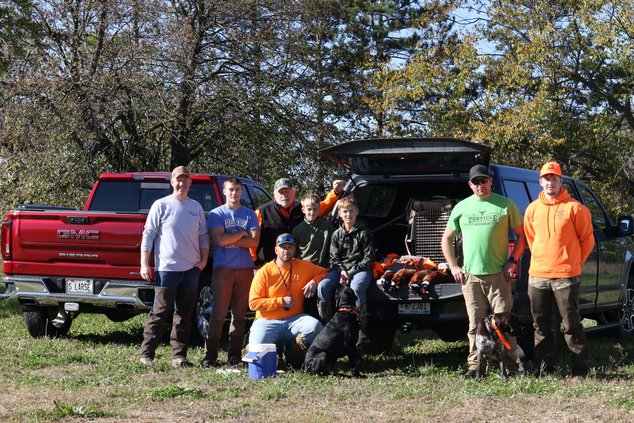
Farther up the county highway, past a state-maintained shooting range, a group of eight hunters, two who were younger than 16, two black Labradors, relaxed with their four bagged ringneck pheasants. The oldest of the hunting group commented he had been hunting the wildlife area for 40 years, ever since an area farmer, Mr. Rear, allowed him on adjoining property.
Two squirrel hunters waited at another public parking lot for their hunting party of two more hunters to return with a vehicle. Several trucks belonging to archers and turkey hunters had parked roadside.
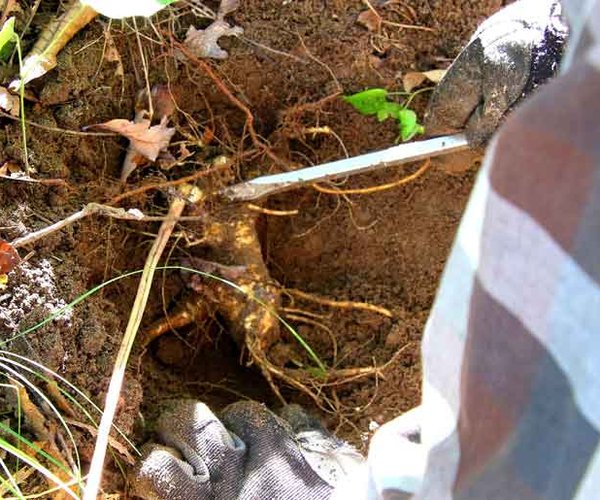
A man had pulled off the road to examine, maybe pick, dried plants from a roadside ditch.
Still, the area was not crowded considering it was the pheasant season opener where the Department of Natural Resources releases rooster pheasants weekly.
I recall some of my first pheasant hunts about 1950, when vehicles, mostly cars then, were parked so dense near our farm that others had to drive by and find a less-congested road.
Pheasant hunters, likely fewer of them because of the 10,000-bird reduction of releases on 82 public lands, will be hunting birds until January, 3, 2027. For these pheasant hunters, hope is they will continue to purchase a small game license and pheasant stamp, which helps pay for raising and releasing at least 65,000 pheasants at the Poynette game farm, and to improve gamebird habitats.
Another wild bird, the Eastern wild turkey, is now actively hunted here, too. The season closes January 3, 2027. Bonus authorizations are still available for purchase, $10 for residents, in several zones.
Statewide 1,514 fall turkeys have been registered electronically by a process similar to the deer registrations.
Deer, always in the news, are on the minds of hunters, drivers, and farmers.
Dan Storm, Wisconsin Department of Natural Resources advices them to especially watch for deer movement. Deer are crossing roads at dawn and dusk and at any time where deer may be crossing roads to go from a corn field to a woods and back again. One reason accidents are particularly high during the deer rut (mating season) is that deer movement coincides with commuters traveling to and from work.
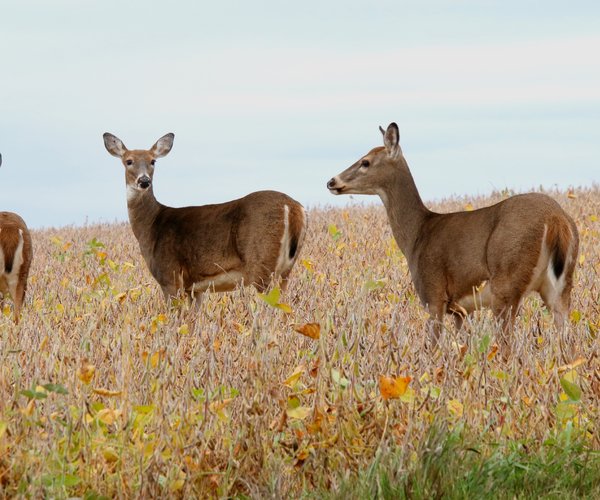
Deer may be traveling in family groups of does with young from last spring and the previous year.
Drive carefully, slow down at all times of the day and night, and expect the deer to be in a hurry, too.
Deer registration totals from ongoing hunts are climbing with 37,232 deer already registered;16,939 being antlered, and 20,293 antlerless. Cross-bowers have taken 8,856 antlered deer and 9,817 antlerless animals while archers have registered 12,589 deer, 5,171 bucks, and 7,418 antlerless deer. Youth registered 5,574 deer during their two-day youth hunt.
Deer hunters are being looked upon, as always, as the primary management tool to control deer populations. Also, high deer density makes transmitting chronic wasting disease animal to animal easier. Baiting and feeding also concentrates deer and intensifies disease transmission. Having deer carcasses tested for CWD is very useful information for tracking and managing the disease. Finally, food pantries get all of their venison from deer donations by hunters. For all these important reasons, more deer hunters, not fewer as is the case, are beneficial.
Some hints of fall are waning while a few others have shown brightly. Witch-hazel shrubs are beginning to bloom and last year’s fruit are maturing. Forest understories are clearing providing better visibility for hikers and hunters. The last turkey vultures are leaving and juncos have returned to Wisconsin from the north.
White pines, as though they were deciduous, have shed some of their five-needle clusters. It’s easy raking to collect baskets of these leaves and use them as mulch instead of shredded tree bark. The light, golden needles are attractive, free and can be replenished annually as cover around evergreens and other plants. The soil may need lime to raise the pH over time, however.
Now is the best time to view and photograph deer, but like gun deer hunters, blaze orange clothing is a good idea. Deer are partially color-blind but detect motion and smells better than many animals.
Surprises are likely to continue, even as autumn wanes. When clearing berry brambles from a fashioned black oak stump, I was surprised to see a chicken-of-the-woods fungus growing from the left side. Opening day deer hunting snack? Too dry by then!
Contact Jerry Davis, a freelance writer, at sivadjam@mhtc.net or 608.924.1112.